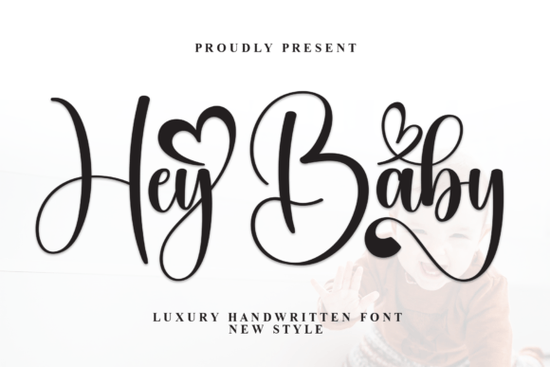
Getting the right lettering for your creative projects often takes trial and error. When you need a design that feels personal and elegant, the Hey Baby Font is a reliable choice. This flowing handwritten typeface captures the essence of traditional calligraphy, making it highly effective for wedding invitations, custom apparel, and branding materials. Small businesses and print-on-demand sellers frequently use this style because it adds a sophisticated, human touch to physical products without looking messy or hard to read.
What kind of projects suit a flowing calligraphy typeface?
Because it marries grace with expressiveness, this type of script works best in settings where you want to convey warmth and luxury. Designers and hobbyists typically apply it to:
- Wedding stationery: It provides a timeless look for save-the-dates, formal invitations, and table place cards.
- Print-on-demand apparel: The elegant curves look great on boutique t-shirts, canvas tote bags, and baby onesies.
- Brand logos: Small businesses, especially in the beauty, photography, or lifestyle niches, benefit from this refined aesthetic.
- Home decor: Wood signs, glass etching, and acrylic wall art often feature this kind of delicate lettering.
How do you access special characters and swashes?
Handwritten typefaces usually include extra flourishes that make your text look more authentic. To use these features, you need to access the glyphs panel in your design software. If you use Adobe Illustrator, open the glyphs window to see all the alternate characters, swashes, and ligatures included in the file. For crafters using Cricut Design Space or Silhouette Studio, which do not have built-in glyph panels, you can use the Character Map app on Windows or the Font Book on Mac. Simply copy the decorative swirl you want and paste it directly into your cutting software canvas.
How do you connect the letters in cutting software?
If you are making custom vinyl decals, working with connected scripts requires a quick extra step. After typing out your word, the letters might appear disconnected on the screen. To fix this, highlight the text and reduce the letter spacing until the characters overlap naturally. Then, select all the letters and use the weld tool. This merges the overlapping paths into one continuous cut line, which prevents your machine from making unnecessary cuts inside the letters. It is also important to choose the right material. For intricate scripts, smooth permanent vinyl or high-quality heat transfer vinyl works best because it weeds easily without tearing.
What are some good alternatives or complementary typefaces?
Sometimes a specific project requires a slightly different mood. If you love handwritten styles but want something with a bit more bounce, this playful lettering choice might be what you need. For projects that require maximum readability, such as long quotes or paragraph text, switching to a clean handwriting style ensures your audience can read the message easily.
If you are designing for a summer collection or coastal brand, a relaxed beachy typeface captures that specific laid-back vibe. On the other hand, crafters who produce a high volume of custom goods often find it more cost-effective to invest in a complete collection of lettering styles rather than buying them individually. You can always pair your main script with a simple sans-serif font to balance the layout. If you want to explore the specific details of this graceful script option, you can view its full character set to ensure it has the exact ligatures your project demands.
How do you prepare this typography for commercial printing?
Before selling products featuring custom text, always double-check the licensing terms on the marketplace. Most standard licenses cover personal use and small-scale physical product sales. If you plan to use it for a massive print run or a digital end-product, you may need to upgrade your license. When setting up your files for commercial printing, convert your text to outlines or paths. This ensures that the printing company sees the exact design you created, even if they do not have the typeface installed on their local computers.
Next steps for your design workflow
Ready to start your next project? Follow this quick checklist to ensure smooth results:
- Install the typeface on your computer and restart your design software so it registers in the font menu.
- Test the letter spacing on a scrap piece of paper or digital canvas to see how the ligatures connect.
- Pair the script with a basic, easy-to-read sans-serif typeface for secondary information like dates or locations.
- Weld your text paths if you plan to cut the design out of adhesive vinyl or iron-on material.
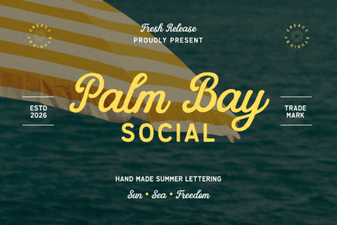 Palm Bay Social Font: Stylish Logo Design Ideas
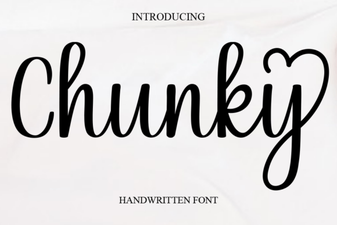 Bold Chunky Fonts for Modern Design Projects
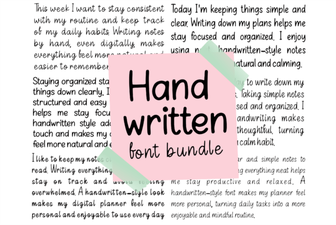 Beautiful Handwriting Fonts for Your Creative Projects
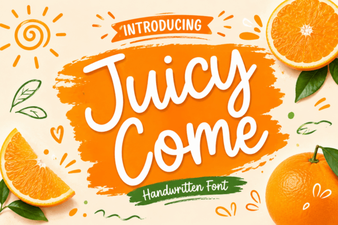 Juicy Come Font: Creative Typography Ideas
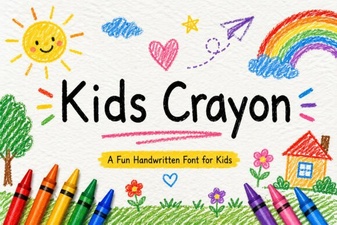 Creative Fonts for Kids: Explore Crayon Typography
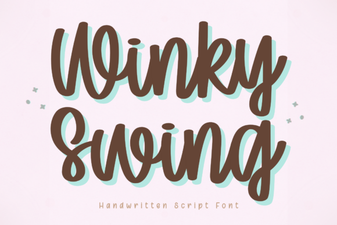 Winky Swing Font: Design Ideas & Creative Uses