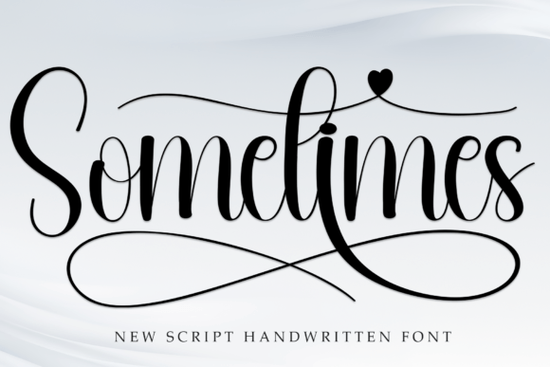
Finding the right typography for a romantic or casual project can take hours of scrolling through endless options. The Sometimes Font solves this by offering a sweet, friendly handwritten look that feels personal without being overly messy. Designed specifically for crafters and small business owners, this fresh script works perfectly when you need a lovely, human touch on wedding invitations, greeting cards, or boutique branding.
What kind of projects work best with this handwritten style?
Because of its casual and approachable lettering, this typeface shines in print-on-demand and paper crafting. If you are designing custom wedding stationery, the flowing strokes add a romantic feel that standard serif fonts simply cannot match. The natural curves mimic real handwriting, which helps create an emotional connection with the reader.
It is equally effective for a variety of commercial and hobbyist projects:
- Baby shower announcements: The soft edges look beautiful on pastel cardstock and watercolor backgrounds.
- Custom mugs and tote bags: Short, uplifting quotes stand out clearly on merchandise, making them highly readable from a distance.
- Small business packaging: Adding a quick "thank you" note in this script makes the unboxing experience feel much more special and curated.
When you use this style for commercial products, legibility is just as important as aesthetics. The letters remain distinct even when scaled down for a small product tag. If you are building a broader typography library for your design business, you might want to explore a collection of bundled script styles to mix and match for different brand voices.
How do you pair casual script fonts with other typefaces?
A common mistake crafters make is using two highly decorative fonts together, which makes the final design difficult to read. To keep your layouts clean and professional, always pair a flowing script with a simple sans-serif or classic serif font.
For example, use the sweet handwritten font for the main headline or the couple's names on a wedding invitation. Then, use a basic, clean block font for the practical details like the date, time, and location. This contrast creates a visual hierarchy that guides the eye naturally.
If you are working on a project that requires a slightly different mood but still needs to feel hand-drawn, you can play with different energy levels. Checking out alternatives like the bouncy lettering style found here can give your greeting cards a more dynamic, joyful rhythm without losing that handmade charm.
Are there better choices for children's products and playful designs?
While the sweet script mentioned earlier is perfect for weddings and elegant branding, it might be too formal for a kindergarten classroom or a playful graphic t-shirt. If your target audience is younger, you usually need lettering that looks like it was drawn with markers, crayons, or thick paint.
For a textured, playful look, many educators and designers turn to a rough crayon-style typeface to create authentic educational materials, chore charts, or children's book covers. Similarly, if you want something bubbly and fun for a summer camp flyer or a birthday invitation, a thick and bubbly script alternative will grab attention much faster than delicate calligraphy.
Which software and cutting machines support this typography?
Whether you use a Cricut, Silhouette, or Brother ScanNCut, installing and using this typography is a straightforward process. Once the OTF or TTF file is installed on your computer, it will appear in the text dropdown menu of your design software.
Here is how it works across different platforms:
- Cricut Design Space: Type your text, select the font, and always use the Weld tool before cutting. This ensures the overlapping script letters cut as one continuous piece of vinyl rather than individual overlapping shapes.
- Adobe Illustrator: This is the best choice for creating scalable vector graphics for print-on-demand platforms like Etsy or Redbubble. You can easily adjust the kerning to make the connections between letters seamless.
- Canva: If you have uploaded the file to your Canva Pro account, you can easily drag and drop the text onto social media templates for quick marketing materials.
If you need to revisit the specific technical details and licensing terms for this exact product, you can always check out the dedicated resource page for this script.
What should you check before finalizing your design?
Before you send your final artwork to a professional printer or load your cutting mat, run through this quick practical checklist:
- Check that all overlapping letters are welded or merged into a single layer to prevent cut lines through the middle of words.
- Ensure the text color contrasts well with your background material, especially if you are printing on textured paper.
- Confirm the font license allows for your specific commercial use if you are selling the final physical product.
- Do a test cut on scrap paper if you are using a vinyl cutting machine with intricate script details.
Take a few extra minutes to test your text layout on a blank canvas. Pay attention to how the natural curves flow together before committing to your final design, and you will save yourself hours of troubleshooting later.
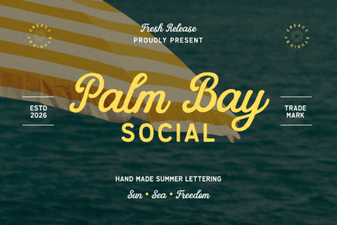 Palm Bay Social Font: Stylish Logo Design Ideas
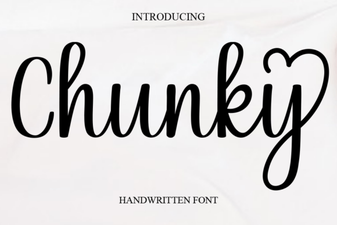 Bold Chunky Fonts for Modern Design Projects
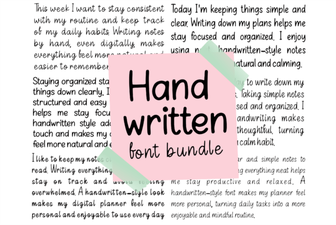 Beautiful Handwriting Fonts for Your Creative Projects
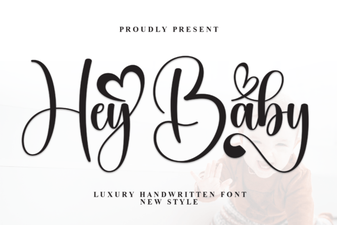 Hey Baby Font: Creative Uses & Design Ideas
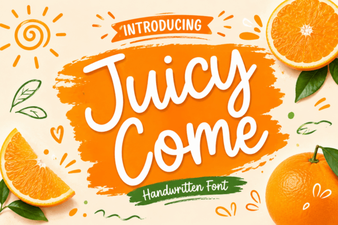 Juicy Come Font: Creative Typography Ideas
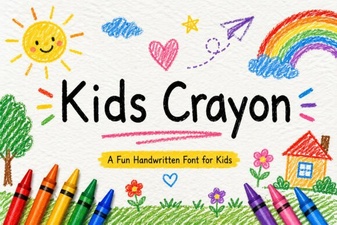 Creative Fonts for Kids: Explore Crayon Typography