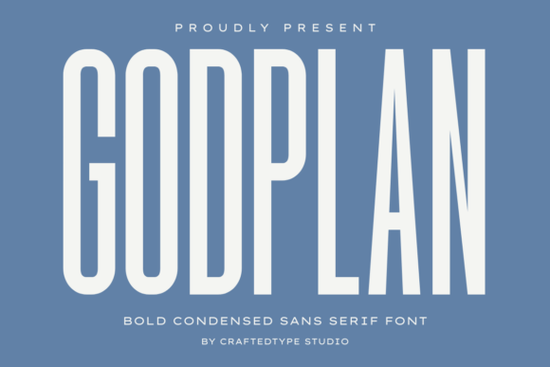
Finding the right typography for a bold, space-constrained design can be frustrating. The Godplan Font solves this by offering a tall, compact structure without sacrificing readability. This condensed sans serif typeface carries a solid visual weight, making it highly effective for creators who need their message to hit hard and fast. If you run a print-on-demand business or design streetwear, you already know that thick, narrow lettering works exceptionally well on apparel and promotional materials. By utilizing a strong architectural typeface like this, your graphics immediately command attention and fit perfectly into tight layouts.
What types of products look best with tall, blocky typography?
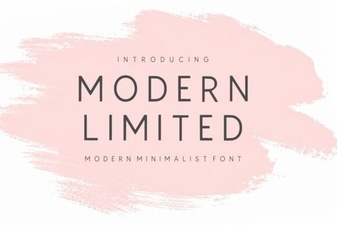
When you have limited horizontal space, a narrow profile is essential. Gym apparel, motivational posters, and urban streetwear often rely on this exact style to create a strong visual identity. Because the strokes are thick and the structure feels grounded, the lettering reads clearly even from a distance. This makes it an excellent choice for sports branding or cinematic film titles where a commanding presence is necessary. You can easily apply this typography to social media graphics to grab attention while users scroll through their feeds. For a slightly different vibe that still maintains clean lines, some designers prefer exploring a more geometric alternative like this minimalist sans serif option for modern corporate projects. If you prefer a highly structured look, Modern Limited is another great choice for professional layouts and editorial design.
How do you access special characters in PUA encoded files?
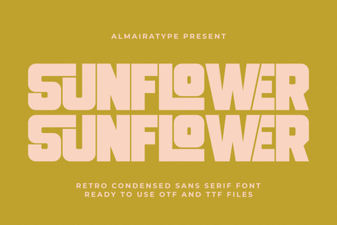
The files come in both OTF and TTF formats, ensuring compatibility across most design software like Adobe Illustrator, Photoshop, or even standard word processors. Being fully PUA encoded means you do not need special design software to access alternate characters and ligatures. On a Mac, you can open the Font Book application to view and copy specific glyphs. Windows users can utilize the built-in Character Map tool. Simply copy the character you want and paste it directly into your design canvas. If you need a typeface with a completely different mood for a lifestyle brand, pairing a heavy header with a softer friendly rounded typeface creates a highly readable contrast. For a cheerful and relaxed aesthetic, Sunflower provides a beautiful, lightweight balance to heavier text.
What are the best font pairings for streetwear and branding?
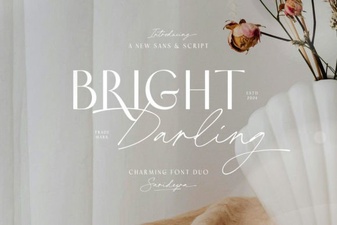
Pairing a heavy, condensed header requires a secondary typeface that steps back and lets the main message breathe. For a striking apparel line, you might use a bold header and balance it with a clean and simple duo typeface for the body text. This combination keeps the design legible and professional while maintaining an urban edge. A versatile option like Bright Darling Duo works perfectly for secondary information like care instructions or website taglines. Alternatively, if your print-on-demand shop focuses on outdoor gear or travel equipment, mixing a strong urban header with an outdoorsy display font can give your merchandise a rugged, authentic feel. Using Adventure alongside your main branding helps communicate an active lifestyle to your buyers.
How do you prepare your files for print-on-demand production?
Before sending your designs to a printer, it is crucial to outline your text. Converting your typography to vector shapes ensures that the exact letterforms print correctly, regardless of the computer the print shop uses. In Adobe Illustrator, you can do this by selecting your text box and pressing Ctrl+Shift+O (or Cmd+Shift+O on Mac). Always check your contrast ratios, especially when placing white text on dark gym shirts. Additionally, pay attention to the kerning, or the space between individual letters. Condensed typefaces sometimes require slight manual adjustments to ensure the characters do not feel too cramped when used in all caps. A quick test print on standard paper can help you verify the sizing and spacing before committing to a full production run.
Quick checklist before publishing your design
- Outline your text: Convert all letters to shapes to prevent missing font errors at the printer.
- Check the licensing: Verify that your Godplan Font purchase covers commercial print-on-demand use.
- Test the contrast: Ensure the thick strokes remain legible against your chosen background color.
- Proofread carefully: Condensed fonts can sometimes make spelling errors harder to spot at a glance.
 Modern Fonts for Clean Design & Usability
 Bright Darling Duo Font for Creative Projects
 A Guide to Using the Sunflower Font in Your Designs
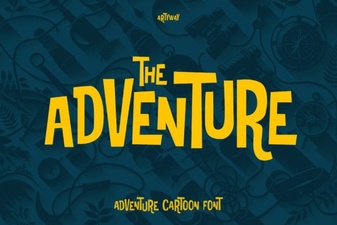 Fonts for Action, Adventure & Exploration Projects
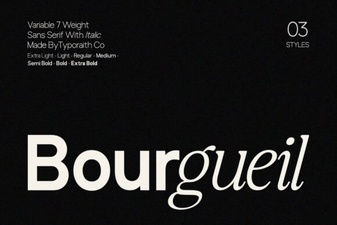 Bourgueil Font: a Designer's Creative Toolkit
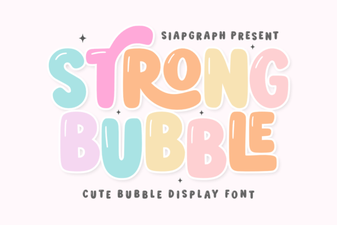 Bubble Fonts for Bold, Creative Designs