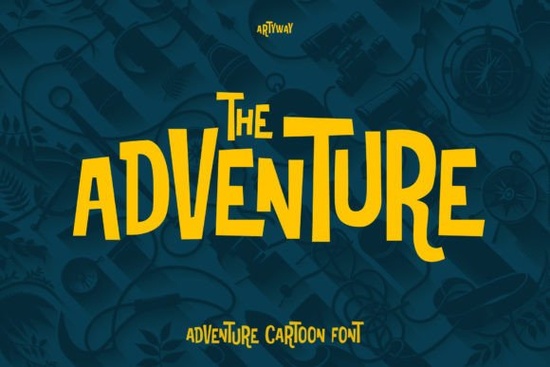
Finding the right typography for children's books or playful branding requires balancing readability with personality. The Adventure Font offers exactly that. Originally known as Adventure Cartoon, this typeface features bold, bouncy characters that instantly grab attention. It works perfectly for print-on-demand sellers creating kids' apparel, small businesses designing toy packaging, or crafters making personalized birthday invitations.
When a customer looks at a design, the typeface communicates the mood before they even read the words. A stiff, traditional serif will not work for a summer camp flyer. You need lettering that feels energetic and approachable. This specific cartoon style delivers that fun, dynamic feel while maintaining enough structure to remain legible on both digital screens and printed merchandise.
What kind of projects work best with this playful typeface?
Because of its chunky and dynamic letterforms, this typeface thrives in environments where fun is the main goal. If you are designing a poster for a community event, the thick strokes ensure the text is readable from a distance. It is also highly effective for YouTube channel art aimed at younger audiences, family-friendly gaming content, or vibrant social media graphics.
For crafters and small business owners, the bold shapes make it an excellent choice for physical products. Thick letters hold up well during the vinyl cutting process, making them ideal for Cricut or Silhouette projects. You can use it to create custom wooden signs for playrooms, personalized decals for water bottles, or bright greeting cards. The unique personality of each letter gives handmade items a professional yet friendly finish.
While it stands out on its own, you might need a secondary typeface for longer body text. For those detailed paragraphs on a product page or event brochure, you can balance the heavy cartoon style by choosing clean sans serif options like Bourgueil. This keeps your layout readable and professional while letting the main title do the heavy lifting.
How do you pair a cartoon font with other styles?
Pairing typography is all about creating contrast. Since this cartoon style is already very expressive and wide, your supporting fonts should be simple and straightforward. If you are working on a bright, cheerful logo for a bakery, you might want to test the bright lettering of Sunflower for your tagline to keep the vibe lighthearted.
For modern children's clothing brands, the brand name should be fun, but the product details need to be perfectly clear. You can use minimalist styles such as Modern Limited for the sizing, fabric details, and care instructions. This prevents the design from becoming too chaotic.
Sometimes a project calls for a mix of playful and elegant elements. If you are designing a baby shower invitation, pairing it with something like Bright Darling Duo gives you a great script option for the parents' names, while the cartoon font highlights the baby's name or the event date. On the other hand, if you are building a website for an educational app, you might prefer a structured alternative like Godplan for the navigation menus to maintain absolute clarity for the user.
Does it support multiple languages and special characters?
Yes, the typeface includes multilingual support and a variety of special characters. This is a massive advantage for print-on-demand sellers who ship globally or Etsy creators targeting international markets. You can create designs in Spanish, French, or German without worrying about missing accents or broken glyphs. The inclusion of numbers and punctuation marks also means you can use it for dates on event flyers, pricing on promotional stickers, or web addresses on business cards.
What are some tips for formatting chunky letters?
When setting your text in a design program, remember that cartoon styles often need a bit more tracking, or letter spacing, than standard fonts. Because the characters are wide, they can easily overlap if placed too close together. Adding a little breathing room between the letters ensures every word is easy to read. Additionally, if you are using it for a logo, try mixing uppercase and lowercase letters to take advantage of the unique height variations in the character set.
Before sending your design to print, always convert your text to outlines or shapes. This guarantees that the printer will see the exact typography you intended, even if they do not have the file installed on their computer system.
Quick checklist for your next playful design project:
- Check the mood: Ensure the bouncy, thick style matches the target audience, especially for kids' products.
- Adjust spacing: Increase the tracking slightly to prevent chunky characters from merging together.
- Pair with simplicity: Use a clean, basic sans serif for any long paragraphs or fine print.
- Test the cut: If using a vinyl cutter, do a small test run to ensure the bold letters weed easily.
- Convert to outlines: Always outline your text before sending the final file to a commercial printer.
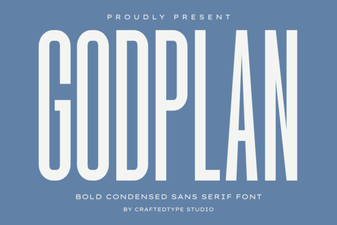 Godplan Font: Creative Ideas for Design Projects
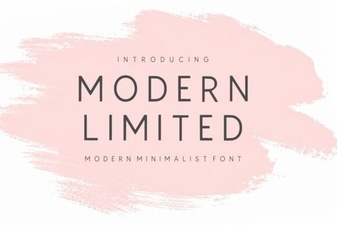 Modern Fonts for Clean Design & Usability
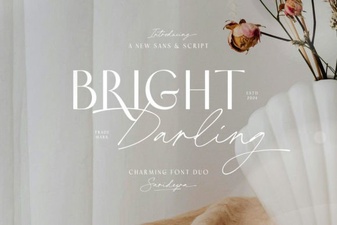 Bright Darling Duo Font for Creative Projects
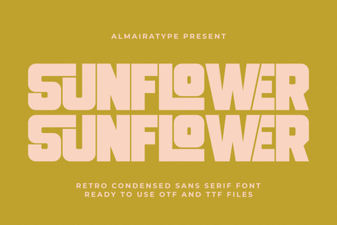 A Guide to Using the Sunflower Font in Your Designs
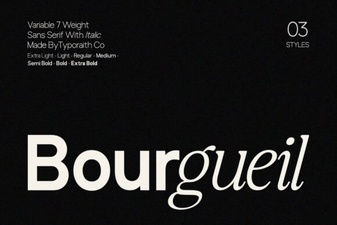 Bourgueil Font: a Designer's Creative Toolkit
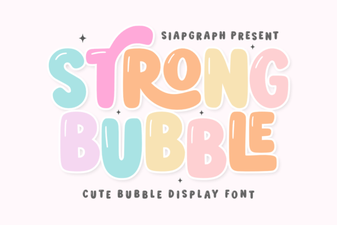 Bubble Fonts for Bold, Creative Designs