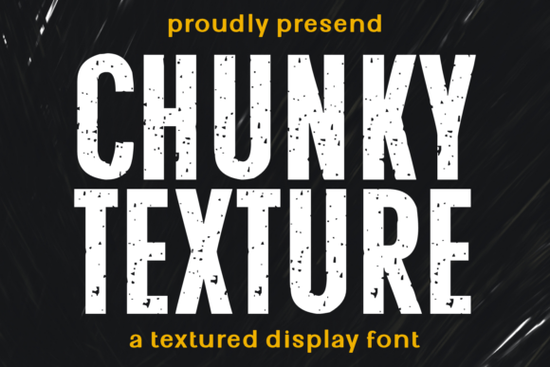
Creating a strong visual identity for a masculine or industrial brand requires typography that communicates strength and authenticity. Small business owners know that standing out on a crowded retail shelf means making a strong first impression. When you need a rugged aesthetic for gym apparel, automotive posters, or vintage coffee packaging, standard options often fall flat. This is exactly where the Chunky Texture Font comes into play. It offers a distressed, handcrafted look that mimics the raw, eroded feel of old signage and stamped metal. Pairing this type of lettering with earthy tones, muted blacks, or stark whites further emphasizes the industrial aesthetic.
What kind of projects benefit most from distressed typography?
Projects that aim for an unpolished, authentic feel rely heavily on grunge elements. For print-on-demand sellers, adding a gritty display typeface to a barbershop logo or an outdoor adventure brand instantly sets a specific mood. When designing coffee packaging, an eroded, vintage stamp effect can make a modern bag look like an established, artisanal roaster. This subtle psychological cue helps small businesses build trust with their target audience. The bold lettering also works exceptionally well on heavy cotton fabrics like tote bags and premium T-shirts, where the textured edges mimic natural fabric wear.
If you are building a brand identity that leans toward high-end editorial layouts, you might balance this rough style with something cleaner. Pairing a heavily distressed header with elegant options found in a curated collection of modern display typefaces creates a striking visual contrast that guides the reader's eye through your design.
How does grunge lettering fit into streetwear and retro designs?
Streetwear fashion often borrows from vintage industrial aesthetics, music posters, and skate culture. A robust, textured typeface fits right into this space, providing the loud, unapologetic voice that urban clothing lines require. Screen printing these textured fonts requires careful consideration of ink types. Using a discharge ink on dark garments allows the distressed elements to show the fabric underneath, adding a genuine layer of depth that standard plastisol inks cannot achieve.
However, streetwear is diverse. While a gritty stamp style works for hardcore gym brands, a retro clothing line might require the flowing lines seen in vintage cursive type styles for a softer, nostalgic touch. Similarly, if your print-on-demand store focuses on college apparel, the aggressive edges of a distressed font might clash with traditional athletic wear. In those cases, exploring classic block lettering styles for athletic apparel will give you the authentic collegiate look that customers expect.
Is this rugged style suitable for seasonal or children's crafts?
Generally, a heavily eroded, masculine typeface is too harsh for delicate themes. If you are a crafter making holiday greeting cards or festive home decor, you will want typography that feels warm and inviting. For seasonal projects, browsing through a festive holiday lettering selection will yield much better results for your winter merchandise.
The same rule applies to products aimed at younger audiences. The rough edges and industrial vibe of distressed text do not align with the playful nature of children's clothing or nursery decor. For those projects, it is much better to use a fun, bouncy typeface made for children to keep the design lighthearted and approachable. Additionally, for crafters using vinyl cutters, heavily textured fonts can be difficult to weed. Always test a small sample before cutting a full design to avoid frustrating tears in your material.
How to prepare your files for printing with textured fonts
Before sending your rugged designs to a print provider or cutting machine, follow this practical checklist to ensure the distressed details remain crisp:
- Expand your text: Always convert your typography to outlines or shapes before exporting. This ensures the eroded edges do not shift if the printer lacks the specific file.
- Check the negative space: Zoom in to 100% and verify that the small gaps in the distressed texture will not fill in with ink during the screen printing process.
- Adjust the tracking: Grunge fonts can look cluttered if letters are too close together. Add a little extra space between characters to let the texture breathe.
- Test on a mockup: Place your design on a realistic apparel or paper mockup to see how the rough edges interact with the background material before committing to a final production run.
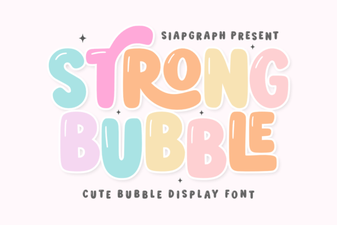 Bubble Fonts for Bold, Creative Designs
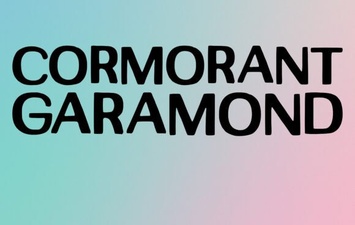 Cormorant Garamond: Typography for Elegant Designs
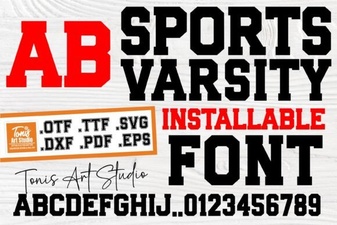 Sports Varsity Lettering Guide & Font Uses
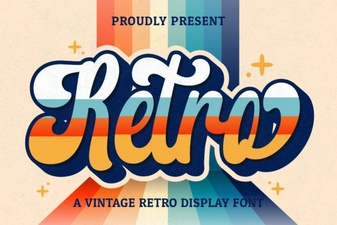 Retro Script Fonts: Creative Design Projects & Free Downloads
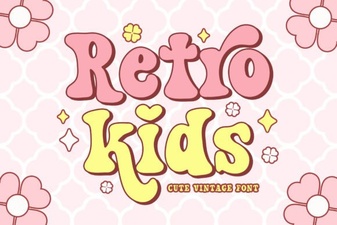 Classic Kids Fonts for Creative Projects
 Designer Fonts: Creative Tools for Your Projects