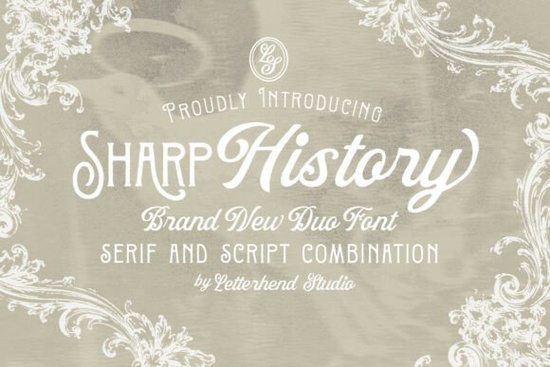
When setting up typography for a vintage-inspired project, relying on a single typeface often leaves the design feeling flat. Finding the right balance requires pairing a sturdy base with something flowing and expressive. The Sharp History Font solves this exact problem for designers and crafters. It is a duo that combines a decorative serif with a smooth, elegant script. Whether you are a print-on-demand seller making greeting cards or a small business owner building a brand identity, having two complementary styles in one package saves time and ensures visual harmony. The serif style adds classic character with subtle ornamental details, while the script brings a soft, natural flow. This makes the collection incredibly versatile for logos, editorial layouts, and signature lines that require a touch of refinement.
How does a vintage font duo work in branding?
Branding relies heavily on visual hierarchy. You need a typeface that grounds your message and another that adds distinct personality. The serif style in this collection brings classic character, making it perfect for primary headings or prominent brand names. When you need to add a softer touch, the included script provides a natural flow that looks remarkably like hand-lettering. This makes it highly effective for romantic quotes or personal signatures. Sometimes, your project might lean more toward modern magazine layouts rather than pure nostalgia. In those cases, you might want to look into other editorial serif options to see how different weights change the mood of a printed page. But for a distinctly classic feel, this specific duo offers a ready-made solution that removes the guesswork from font pairing.
What kind of projects need this specific lettering style?
The combination of a refined serif and a flowing script fits perfectly into several creative niches. Print-on-demand sellers and hobbyists often use this aesthetic for physical products where texture and nostalgia matter most to the buyer.
- Wedding invitations: The script handles couple names and dates beautifully, while the serif works well for the venue details and formal event text.
- Product packaging: Small businesses selling handmade soaps, organic candles, or artisanal foods can use the decorative serif on the main label to establish trust and tradition.
- Apparel graphics: Crafters using Cricut or Silhouette cutting machines will find the smooth curves of the script relatively easy to cut and weed for custom vinyl decals.
- Greeting cards: The elegant script adds a personal, handwritten feel to holiday messages or thank-you cards.
Understanding how to apply these styles is just as important as choosing them. You can review the specific details of the typography set here to check the character maps and included glyphs before downloading it to your system.
Can you mix this vintage style with bolder typefaces?
Contrast remains a fundamental rule of good typography. While the decorative serif and script work perfectly together, you can easily pair them with heavier, more utilitarian fonts to create visual interest. For instance, using a heavy sans-serif for body copy allows the ornate details of the vintage serif to stand out without overwhelming the reader. If you need a high-impact style for a poster or a loud logo mark, exploring a thicker slab alternative can provide the necessary weight to anchor your layout effectively.
When working with vintage styles, it is also helpful to study traditional typesetting rules. Resources covering the history of typography can give you a better understanding of why certain ornamental details exist and how they were originally used in early print media. Knowing this context helps you make smarter design choices.
Quick checklist for using vintage fonts in your next design
- Ensure you have adequate letter spacing on the script font so the decorative swashes do not overlap awkwardly with adjacent characters.
- Use the decorative serif only for short, impactful words like brand names, main titles, or short quotes.
- Keep body text simple and highly readable; let the vintage duo handle only the display text.
- Test your design in black and white first to ensure the fine ornamental details remain visible without relying on color contrast.
- Always check the licensing terms on the marketplace if you plan to sell physical items featuring the lettering commercially.
- Experiment with alternating between the serif and script for subheadings to create a rhythmic visual pattern across a multi-page layout.
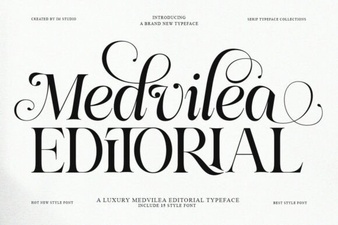 Editorial Fonts: Classic Typefaces for Creative Projects
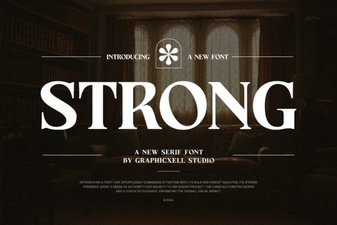 Choose a Bold Font for Your Project
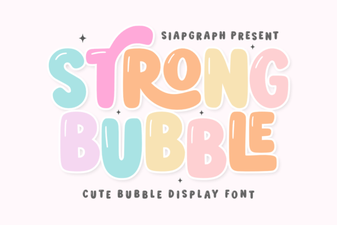 Bubble Fonts for Bold, Creative Designs
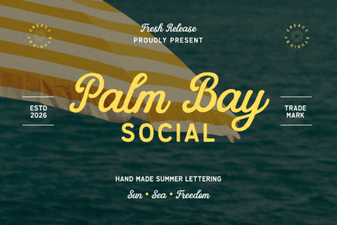 Palm Bay Social Font: Stylish Logo Design Ideas
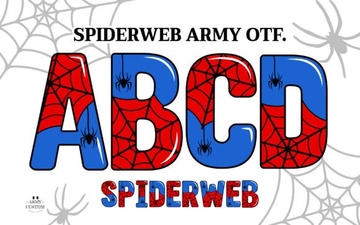 The Spiderweb Army Font for Designer Projects
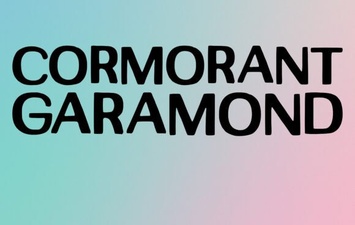 Cormorant Garamond: Typography for Elegant Designs